
|
| |||||||||||||||||
|
GOUT:
Cherry Juice Gout RemedyFoods High in Uric Acid Gout Foods Gout Relief Gout Treatments Low Purine Diet Uric Acid Levels Diet for Gout ARTHRITIS:
Arthritis Pain Reliever PAIN:
Lower Back Pain RemediesNatural Anti Inflammatory Joint Pain was created to help people with osteoarthritis, rheumatoid arthritis and related disorders learn about treatments to ease symptoms and help them lead a more comfortable life. There are natural treatments for joint pain that can have significant benefits, and more and more people are choosing safer alternatives to treat joint pain due to arthritis. |
 |
A Low Purine Diet Can Help Reduce Your Gout SymptomsStudies have shown that eating a low purine diet can significantly reduce your risk of suffering from an extremely painful condition called gout. Gout is a very painful disease that is most common in men, especially older men, and is caused by a condition called hyperuricemia, which means that there is an excess of uric acid in the blood. When this happens, the body will form crystals that accumulate in the joints and cause painful gout symptoms. Uric acid is a waste product left over from metabolism of chemical compounds called purines that can be found in some of the foods commonly consumed by many people today. Low purine diets are extremely helpful in lowering levels of uric acid in the body, and will usually involve reducing or cutting out foods that have high levels of purines. Here is a partial list of foods high in purines, which have the highest concentration of purines and should be avoided by those who are prone to gout or are already suffering from it. Beef * Pork * Bacon * Lamb * Seafood * Foods that are made with a significant amount of yeast such as beer and bread * Alcoholic beverages While these foods high purine levels can also aggravate symptoms of gout, they can sometimes be enjoyed in moderation by those who usually follow a low purine diet. Asparagus * Cauliflower * Mushrooms * Peas * Spinach * Whole-grain breads and cereals * White poultry meats, such as chicken, duck and turkey * Kidney and lima beans
And finally, here are some foods that are safe to include in a low purine diet, though they should not comprise the entirety of your eating plan. Green vegetables and tomatoes * Fruits and fruit juices * Breads that do not use yeast (check the kosher section or a health food store) * Nuts * Milk and milk products, such as butter and cheese * Chocolate * Coffee and tea
Once thought of as a "rich man's disease" because only the wealthy could afford to eat salted meats and rich breads and malted liquors on a regular basis, gout is making a comeback due to the tendency of modern people to ignore foods high purines content in favor of convenience and cost. However, it's fairly easy to switch to a low purine diet and the health benefits are great...they can even help you to lose weight quicker than low carbohydrate fad diets and keep the weight off, which is another way to lower your predisposition to gout. Staying away from the list of foods high in purines is a start, and there are natural treatments that can help relieve the symptoms as well. Featured Gout Treatment After extensively researching treatment options for gout, we discovered a breakthrough natural treatment that sufferers have had tremendous success with. This special gout treatment is revealed in the Gout Remedy Report and it's a breakthrough system discussing all of the natural gout remedies to help reduce inflammation, swelling and stiffness as well as protect the joints and provide long lasting pain relief. Try the Gout Remedy Report today and see if this natural, effective gout treatment works for you. more than foods high in uric acid on our Joint Pain home page |
|
Featured Arthritis Treatment Relieve Arthritis Pain Significantly
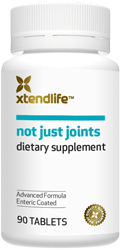
Discover how Not Just Joints can treat arthritis pain naturally without the side effects of prescription drugs. |
||